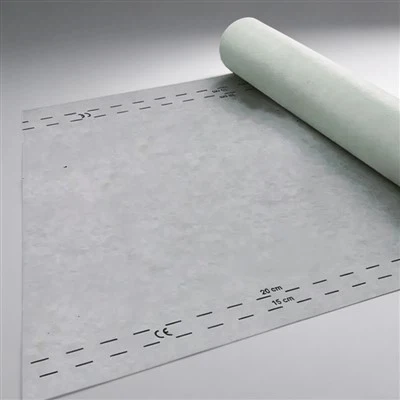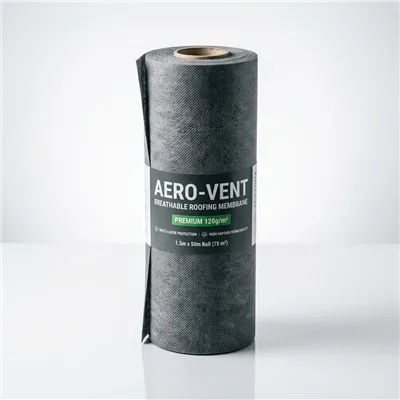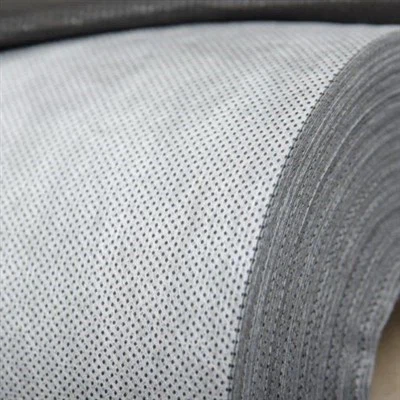
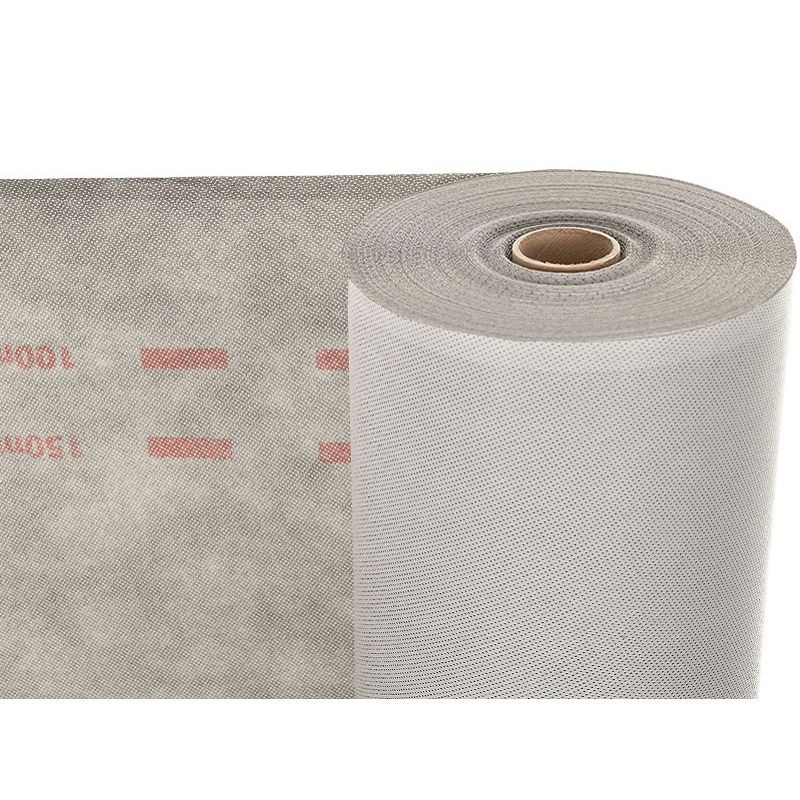


Can you install a breathable membrane under the rafters? No - not as a breather membrane. A vapour-permeable sheet belongs on the weather side of the insulation, above the rafters and below the tiles or slates. Fixed under the rafters at insulation level, it blocks the air path that keeps the build-up dry and traps moisture in the coldest part of the structure.
This page answers the question properly, shows the correct position on a pitched roof, and explains what does belong under the rafters when you are insulating a roof space.

The Short Answer
Install a breather membrane above the rafters, laid over the timber and below the battens and tiles. Do not install it under the rafters at insulation level. That position is the job of a vapour control layer, which sits on the warm side of the insulation with a different function: it stops room moisture entering the insulation in the first place.
Putting a breather membrane under the rafters creates a second, accidental barrier in the cold zone. Condensation forms on it, drips onto the insulation, and the structure slowly rots behind the sheet. Roofers who inherit this layout usually have to strip and redo the roof.
Where a Breather Membrane Goes on a Pitched Roof
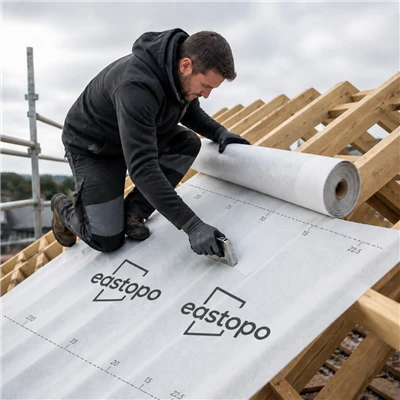
The membrane drapes over the rafters with a slight sag between each rafter - typically 10 to 15 mm - so water that reaches the sheet can run down to the gutter. Battens sit on top of the membrane and carry the tiles or slates. Fixings go through the membrane into the rafters, and laps between rolls follow the same rule: higher sheet over lower sheet, on the outside face.
This build-up keeps three layers in their correct order from outside in: tiles, battens and membrane on the cold side; insulation between the rafters; vapour control layer and plasterboard on the warm side. Each layer has one job, and none of them work in another position.
What Belongs Under the Rafters Instead
At rafter level, the insulation fills the space between the rafters, and a vapour control layer (VCL) goes on the warm side of the insulation, directly under the rafters or under the ceiling finish. The VCL is deliberately vapour-tight: it keeps room humidity out of the insulation, so the breather membrane above never has to cope with a wet build-up. We supply aluminium vapour control layer rolls for this position separately from the breather membrane range.
When Builders Do Use the Underside Position
There are two legitimate uses of the underside position, and neither uses a standard breather membrane. First, in a ventilated cold roof the void under the rafters is deliberately ventilated to the outside, so no sheet is fitted there at all. Second, some warm-roof conversions fit a membrane under the rafters to shed condensation from the underside of the deck - but this is a niche detailing job, spec'd by the system manufacturer, not a general installation rule. If you are not sure which layout your project uses, ask the roofing system supplier before you buy.
Getting the Build-Up Right
Get the position right and the membrane does its job for the life of the roof: rain and snow stay out, vapour escapes, and the insulation stays dry. Get it wrong and no grade of membrane, however heavy, can fix the layout. Eastopo supplies 60-220 gsm breather membrane rolls for correct roof placement above the rafters, with EN 13859-1 test data and CE marking, plus a separate vapour control layer range for the warm side. For insulation and roof-space detailing in conversions, see our loft membrane guide.
FAQ
In a standard loft conversion the insulation is between or above the rafters, and the breather membrane belongs above them, below the tiles. Fixing it under the rafters blocks the ventilation path and invites condensation. Use a vapour control layer on the warm side instead.Can I put a breather membrane under the rafters in a loft conversion?
Over the rafters: the breather membrane sheds water on the outside of the structure and lets vapour escape. Under the rafters: a vapour control layer keeps room moisture out of the insulation. The two are different products with different jobs.What is the difference between a membrane under the rafters and one over them?
Yes. A vapour-permeable sheet fitted under the rafters sits in the cold zone, so moisture condenses on its underside and drips onto the insulation. That is the classic failure mode of this layout.Can a membrane under rafters cause condensation?
Eastopo produces 60-220 gsm made to order. Lighter grades suit low-exposure work, standard grades cover most housing and extensions, and heavier grades suit coastal, high-wind or low-pitch roofs. Match the grade to the worst exposure on the project.What grade of breather membrane do I need for a roof?
Yes. Breather membrane rolls (60-220 gsm) go on the cold side above the rafters, and aluminium vapour control layer rolls go on the warm side under the rafters. Distributors often stock both from one supplier.Do you supply membranes for both sides of the insulation?
About the Author
Written by J. Mao - Eastopo New Materials. J. Mao is the Export Manager at Hangzhou Eastopo New Materials Technology Co., Ltd., specialising in breathable membrane, roof underlay and building envelope products for the UK, EU, US, Australia, New Zealand and other export markets worldwide. He has worked on OEM supply programmes for roofing distributors and timber frame manufacturers since 2016. For project specifications, samples and distributor pricing, contact J. Mao by email at mj@eastopo.com or on WhatsApp +86 193 5725 8106.
Hot Tags: breathable membrane under rafters, China breathable membrane under rafters manufacturers, suppliers, factory, Breathable Felt Membrane, Breathable Roof Membrane, Membrane Breathable, Breathable Membrane For Vents, Breathable Membrane For Shed Floor, Breathable Vapour Membrane