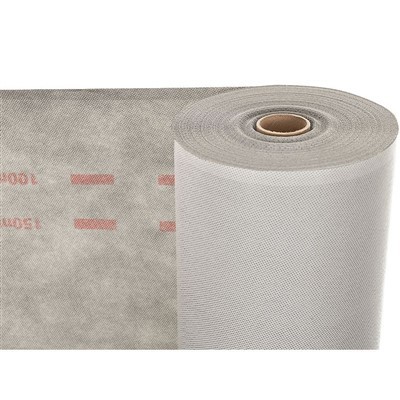


What Is a Breathable Loft Membrane?
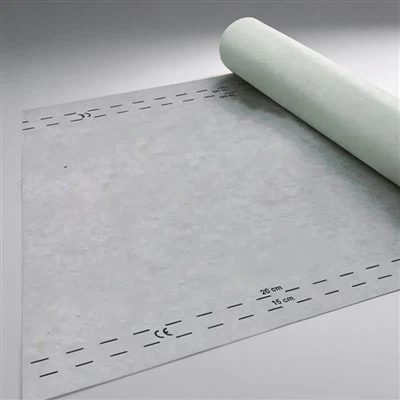
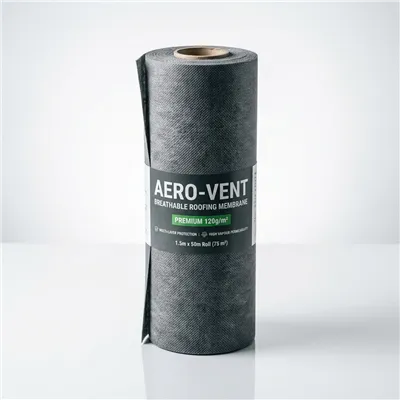
A breathable loft membrane is a vapour-permeable underlay fitted beneath roof tiles or slates, or inside a loft conversion, to let moisture escape while blocking driven rain. Eastopo supplies EN 13859-1 compliant Type LR membrane, ICR-verified, in 60gsm to 220gsm grades, cut to 1m or 1.5m wide loft lining rolls for UK builders, merchants and loft conversion firms.
Fitters know it as a breather membrane. Specifiers know it as a vapour-permeable underlay. Either way, the job is the same: keep the loft dry without sealing the roof solid. It is the difference between a roof space that dries itself and one that rots from the inside.
Why a Loft Condenses: The Moisture Path
A loft is not naturally dry. Every shower, kettle and drying rack in the house pushes warm, moist air upwards. A typical UK household produces 10 to 15 litres of water vapour a day, and a cold roof space is where it lands.
The sequence is predictable. Warm air rises through the ceiling and meets the cold underside of the felt or membrane. The air cools below its dew point, water condenses out, and the drips fall back onto the insulation. Wet mineral wool loses its R-value. Damp timber rafters rot from the feet up. Black mould spreads across the sarking boards or the plasterboard of a finished conversion.
Ventilation alone does not fix it. A roof space sealed for energy efficiency traps the vapour; an over-ventilated roof space bleeds heat. A breathable loft membrane removes the trade-off, because it lets moisture pass through the roof build itself instead of relying on air movement alone.
Loft Lining vs Roof Underlay: Same Build, Different Job
UK buyers search for this product under two names: loft lining and roof underlay. They are the same three-layer membrane, sold for two different jobs.
Loft lining rolls are the membrane fitted inside a boarded loft - stapled to the underside of the rafters or draped over the insulation to keep the roof space clean and dry. UK retailers such as LoftZone sell 1m x 50m rolls of a 115gsm three-layer polypropylene and microporous film for exactly this job. That is the same construction Eastopo runs on our production line, which is why loft firms order the same loft membrane from us in bulk instead of buying single rolls at retail.
Roof underlay is the same material laid above the rafters, under the tiles or slates, as the primary weather barrier. The physical product is interchangeable; the specification is not. Underlay above the rafters must meet EN 13859-1 water tightness Class W1. Lining inside the loft needs breathability first and weather resistance second.
Buying from the factory removes the retail markup on either name. Tell us whether the roll is going above the rafters or inside the loft, and we will grade it accordingly.


What Happens When a Loft Membrane Fails
Most loft membrane failures are not dramatic leaks. They are slow condensation damage that surfaces years later.
Case one: a 1970s loft roof with non-breathable bitumen felt. The owner converts the loft and insulates between the rafters, and the ventilation is gone. Within two winters the underside of the felt is dripping, the insulation is sodden, and the new plasterboard shows tide marks. The conversion has to be stripped back to fix it.
Case two: a cheap recycled membrane on a new roof. It passes the spec sheet but tears at the laps in the first wind zone 3 gust, and the first heavy rain finds the gap. The re-roof callout - scaffold, strip, re-felt, re-tile - runs into thousands, against a price difference of a few pence per square metre between a 120gsm budget sheet and a 150gsm spec-grade roll.
Both failures share one cause: the membrane was chosen on price per roll instead of fit for the job. The factory price of Eastopo's 100gsm loft lining grade and its 170gsm heavy-duty grade differs by less than the cost of a single callout.
Three-Layer Build: PP Outer Films over a PE Microporous Film
Eastopo's loft membrane is a three-layer film build, not a coated felt. Polypropylene (PP) outer films sit on both sides of a polyethylene (PE) microporous film. Each layer is a thin, evenly gauged sheet; there is no thick core. The PE film is cast on the line and mono-axially oriented (MDO) to open its microporous structure - that is where the breathability comes from.
- PP outer film (top) - UV-stabilised, takes the sun exposure during the drying-out period of a new roof.
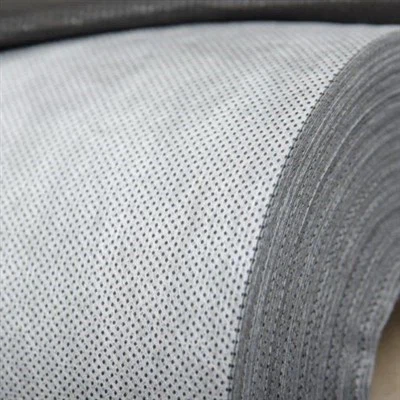
- PE microporous film (middle) - cast and MDO-oriented, passes vapour (Sd 0.02-0.035m) while blocking liquid water.
- PP outer film (bottom) - balances the build and protects the middle film from the underside.
All three layers are 100% virgin polymer. No regrind, no recycled content that embrittles under UV and splits at the laps after a few seasons.

Technical Parameters
Values below are verified on production rolls using EN 13859-1 test methods and span the full grade range we run for loft jobs.
| Parameter | Value | Benefit |
|---|---|---|
| Underlay type | Type LR (low resistance) | Vapour-permeable, condensation control |
| Vapour permeability (Sd) | 0.02 - 0.035 m | Keeps a sealed loft conversion dry |
| Breathability | ≥2000 - 6000 g/m²/24h | Fast drying of new-build moisture |
| Tensile strength MD/TD | 120 - 350 N / 80 - 310 N | Holds staples across uneven rafters |
| Tear strength | ≥20 - 40 N | Survives handling and fixings |
| Water tightness | Class W1 | Full surface water repellency |
| UV stability | 3 - 4 months | Safe for delayed roof covering |
| Standard weight | 60 - 220 gsm | Loft lining grade to heavy duty |
| Roll formats | 1m / 1.5m x 50m / 100m | Custom widths for OEM orders |
| Certification | EN 13859-1, ICR-verified | UK and EU project compliance |
The two numbers that matter for a loft job are Sd and GSM. An Sd below 0.05m keeps the roof space dry in a sealed conversion. GSM above 100 keeps the sheet stable when it is stapled across rafters that are not perfectly true.
Where the Membrane Goes in a Loft Conversion
Loft conversions are where this product is most often specified, and the placement decides which grade you need.
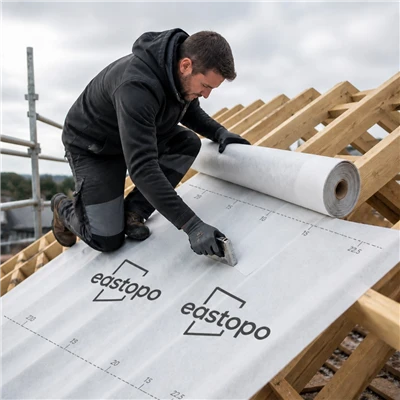
New-build roof: the membrane goes above the rafters, under the tiles, as the weather layer. Counter-battening keeps a gap beneath the membrane so the underside can dry. This is a full EN 13859-1 underlay job, 150gsm or above.
Retrofit conversion: the tiles stay on. The membrane is fitted from inside, stapled to the underside of the rafters or draped over the insulation between them. It cannot stop driven rain in this position, so it works as a moisture control layer, not a weather barrier. A 100-120gsm loft lining grade is the working spec here, and a 50mm air gap between membrane and insulation keeps the build breathable.


Warm roof versus cold roof changes the rule. In a warm roof the insulation sits above the rafters, the membrane goes above the insulation, and the loft space becomes part of the heated envelope. In a cold roof the membrane under the tiles is the only line of defence, and the loft space stays cold and ventilated.
Loft Insulation: Keep the Air Gap
Insulation is the loft membrane's working partner, and the most common site error is crushing the two together.
Mineral wool laid between the rafters must not be pushed tight against the membrane. The membrane passes vapour, but only when there is air on both sides to move it. Squeeze the insulation against the sheet and the vapour path is blocked, the insulation wets out, and its R-value drops by up to half.
The standard fix is simple: a 50mm air gap between insulation and membrane, held open with counter-battens, or a loft lining draped over the joists with slack. On a loft lining job, staple the membrane to the underside of the rafters so the insulation sits behind it, not against it.
The loft lining roll also earns its keep at the hatch and the eaves. Seal around penetrations with compatible tape, and carry the membrane into the eaves so warm air cannot shortcut past the insulation line.

Grades for Loft Jobs: What to Specify
Three grades cover most loft work. For loft lining inside a conversion, 100-120gsm is the working grade - light to staple, breathable enough for the moisture load of a sealed roof space. For underlay above the rafters on standard housing, 150-170gsm. For coastal and high wind zones, or low-pitch roofs, 200-220gsm.
Wind zone coverage is a function of GSM plus batten spacing, not GSM alone. Send us the roof spec - zone, pitch, batten centres - and we will confirm the grade before you order. That is the standard service, not a favour.
OEM Supply for Loft Firms and Merchants
This is the part UK retailers cannot offer you: the factory itself. Eastopo supplies breathable loft membrane and loft lining rolls to loft conversion companies, insulation distributors and builders merchants under their own brands. The 115gsm loft lining spec sold at retail in the UK comes off the same lines we run for OEM customers.
- Custom widths (1m / 1.5m) and roll lengths (50m / 100m) - set your own SKU sizes.
- Your logo printed on the membrane and the packaging.
- Bespoke GSM grades within the 60-220gsm range, including the 115gsm loft lining spec.
- Colour options on the outer layer.
- Sample matching: send us the roll you currently buy. We match the spec, or we tell you honestly where we cannot.
- Incoterms: EXW, FOB, CFR or CIF - your call.
OEM enquiries work fastest when they come with a spec sheet. Email it to mj@eastopo.com with the roll size and the annual volume, and you will get a quotation with samples behind it - not a brochure.
The same membrane travels under different names in export markets. Australian and New Zealand buyers specify it as vapour permeable sarking; US importers know the product class as synthetic roof underlayment. Same three-layer build, same EN 13859-1 test data - only the code language changes.
Frequently Asked Questions
What is the difference between a loft lining and a loft membrane?
They are the same three-layer membrane sold for two jobs. Loft lining is fitted inside the loft - stapled to the rafters or draped over insulation - to control condensation and keep the roof space clean. A loft roof membrane laid above the rafters under tiles or slates acts as the roof's weather barrier. Both are vapour-permeable; the underlay position adds water tightness requirements under EN 13859-1.
Can I staple a breathable membrane under the rafters in a loft conversion?
Yes, for a retrofit conversion where the tiles stay on. Staple the membrane to the underside of the rafters as a moisture control layer, leaving a 50mm air gap between the membrane and the insulation so vapour can move. This position cannot stop driven rain - that is the job of the outer roof covering - so use a loft lining grade of 100-120gsm and seal laps and penetrations with compatible tape.
Is a breathable loft membrane the same as a vapour barrier?
No - the two are opposites. A breathable membrane passes vapour out (Sd 0.02-0.035m) and is fitted on the cold side of the insulation. A vapour barrier blocks vapour (Sd over 100m) and is fitted on the warm side of the build to stop moisture entering it. Fitting a vapour barrier where a breathable loft membrane is needed traps moisture and causes the condensation damage you are trying to prevent.
How long can a loft membrane stay exposed before tiling?
Up to 3-4 months, per the UV stability rating. The drying-out period of a new build often runs long, which is exactly what this rating is for. Cover sooner if the roof faces south, and at the eaves use a felt support tray or extend the membrane into the gutter - do not leave the edge hanging exposed.
Which grade do I need for a loft conversion or loft lining roll?
For loft lining inside a conversion, 100-120gsm is the working grade - light to staple and breathable enough for the moisture load of a sealed roof space. For underlay above the rafters on standard UK housing, use 150-170gsm, and 200-220gsm in coastal or high wind zones. Send the roof spec and we will confirm the grade before you order.
Can Eastopo supply loft lining rolls under our own brand?
Yes. OEM branding is a core part of our supply - logo printing on the membrane and packaging, custom roll widths and lengths, and bespoke grades within the 60-220gsm range, including the 115gsm spec sold in UK retail. Send your spec sheet to mj@eastopo.com with target volumes and we will quote with samples.
About the Author
Written by J. Mao - Eastopo New Materials. J. Mao works directly with UK and Irish loft conversion firms, builders merchants and importers on breathable membrane specifications, EN 13859-1 compliance and OEM supply. Questions on grades, samples or project specs: mj@eastopo.com or +86 193 5725 8106.
Get a Sample, Not a Sales Page
Tell us the loft job - conversion, new build, or a loft lining line you want to stock - and the membrane you currently buy. We will come back with a grade recommendation, a quotation and a sample. If our membrane is not the right fit, we will say so.
Email: mj@eastopo.com | WhatsApp: +86 193 5725 8106 | Send Inquiry
View the full range: Roofing Membrane - Breathable Membrane - Roof Sarking Breathable Roofing Felt
Hot Tags: breathable loft membrane, loft lining, loft lining roll, loft membrane, loft conversion, vapour permeable membrane, condensation control loft, Breathable Felt Membrane, Breathable Roof Membrane, Membrane Breathable, Breathable Membrane For Vents, Breathable Membrane For Shed Floor, Breathable Vapour Membrane